A three-part series on the Nvidia and Megaspeed sanctions affair, and what bank-style compliance means for the people who move the goods. By Dr. Donna J. Broussard, The Corporate Looking Glass.
Part 1: Know Your Chip Customer
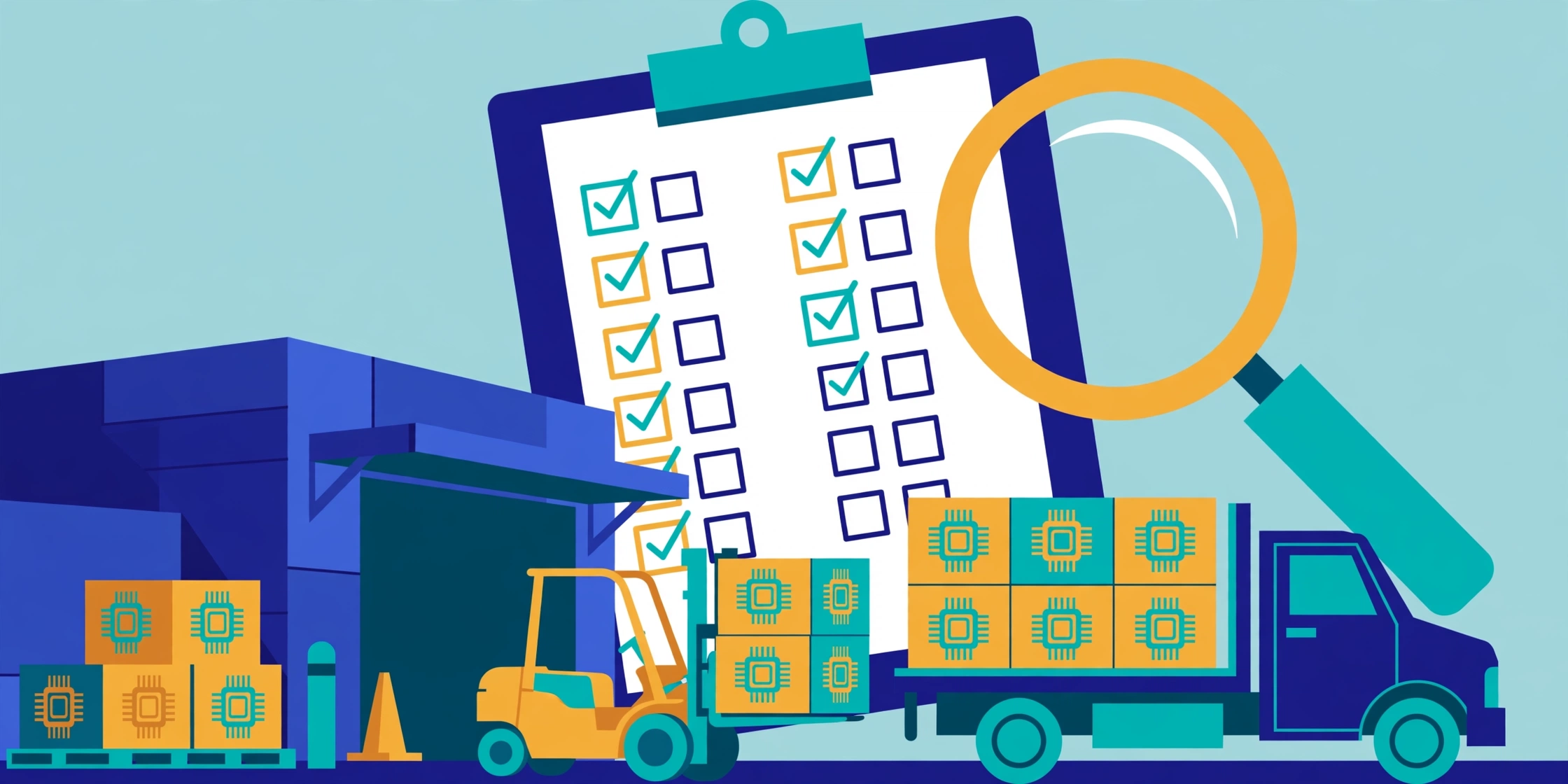
Banking’s three most expensive words just arrived in the export world: know your customer.
A proposed rule from the Bureau of Industry and Security would require exporters to check whether data center clients are serving companies in banned countries. Read that carefully. It is not enough to know who bought the chips. You have to know who your customer serves, anywhere in the world.
Treasury Secretary Scott Bessent made the comparison plainly this month: if this were a bank, the regulators would already be inside the building. Banks spent decades building that muscle, and they paid for the lessons. BNP Paribas paid nearly $9 billion in 2014 for sanctions failures. That is what tuition costs in this discipline.
Now the same duty is being handed to the technology supply chain, and supply chain organizations do not have the staffing model, the case law, or the scar tissue banks built over thirty years. Worse, the duty does not land on the people who move the money. It lands on the people who move the goods: manufacturers, distributors, logistics providers, data center operators. Compliance can no longer live in the legal department alone. It becomes an operations discipline, verified at the point where product changes hands.
I have spent my career at the intersection of supply chain operations and risk, and I can tell you the gap is real. Most operations I have seen verify a customer once, at onboarding, and then ship on trust for years.
So here is my question for those of you who run supply chains, distribution networks, or export operations: who in your organization actually verifies end use before a shipment leaves today? Sales, compliance, logistics, or, if we are honest, nobody?
Follow me if you work where operations and risk meet, comment with your answer, and if you would like to start the conversation with your own team, share the question with them. It is cheaper to ask it now than to answer it for a regulator later.
Part 2: The Middleman Is the Target Now
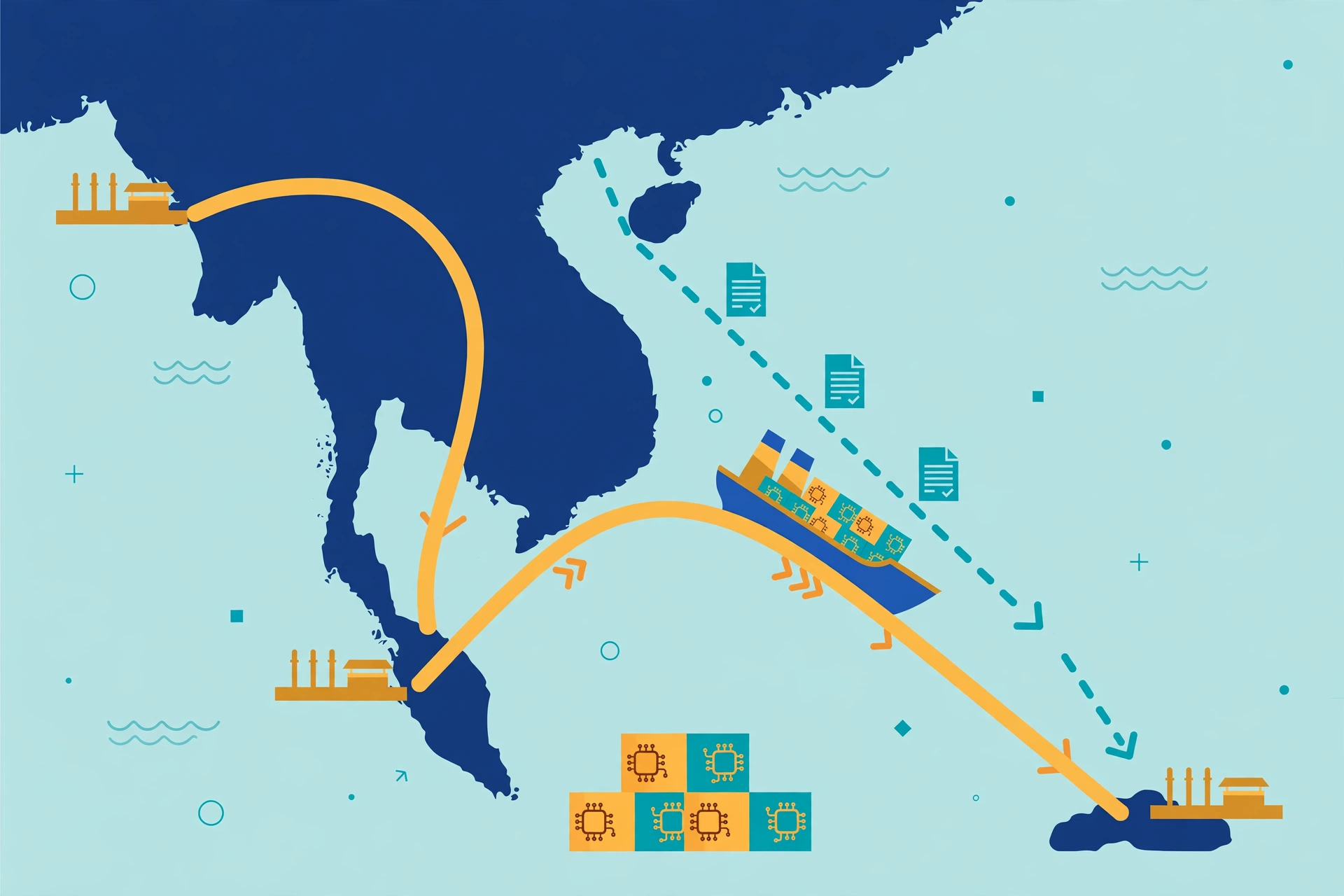
Washington did not sanction the chipmaker. It sanctioned the layer in the middle.
On November 23, the Bureau of Industry and Security added Megaspeed International and six affiliated companies in Singapore, Malaysia, and Thailand to the Entity List, with license applications reviewed under a presumption of denial. The stated concern: diversion of advanced AI chips to unauthorized end users in China. Reporting based on The Information’s work puts the shipments through this network at roughly $7.5 billion over two years. Those figures are allegations under investigation, not findings, and the distinction matters. What is not in dispute is the enforcement design.
Here is why every supply chain leader should read this rule. A listing like this is a tripwire for everyone else. If a listed entity appears anywhere in your transaction chain, as buyer, reseller, consignee, or service provider, the problem becomes yours. The listed companies also operated under aliases, including 7Road International, which means a name check against a single legal name is not a control. And Singapore’s prime minister has said the chips Megaspeed bought reportedly never entered Singapore at all. The paperwork said one route. The goods, apparently, took another.
I teach this pattern. In my course on supply chain intelligence and trade-based money laundering defense, we study sanctions evasion networks, including North Korean networks moving goods at sea. Front companies, third-country transshipment hubs, alias entities, and phantom flows where the invoice path and the physical path tell two different stories. The AI chip networks are running the same playbook with newer cargo.
So my question for operators, forwarders, and distributors: could your team catch a customer whose purchases never physically arrive where the paperwork says they did? What is the first thing you would check?
Follow for the rest of this series, comment with what you would check first, and if you would like to start the conversation inside your own operation, that ordered-versus-received-versus-installed gap is where I would begin it.
Part 3: A Blacklist Nobody Reconciled
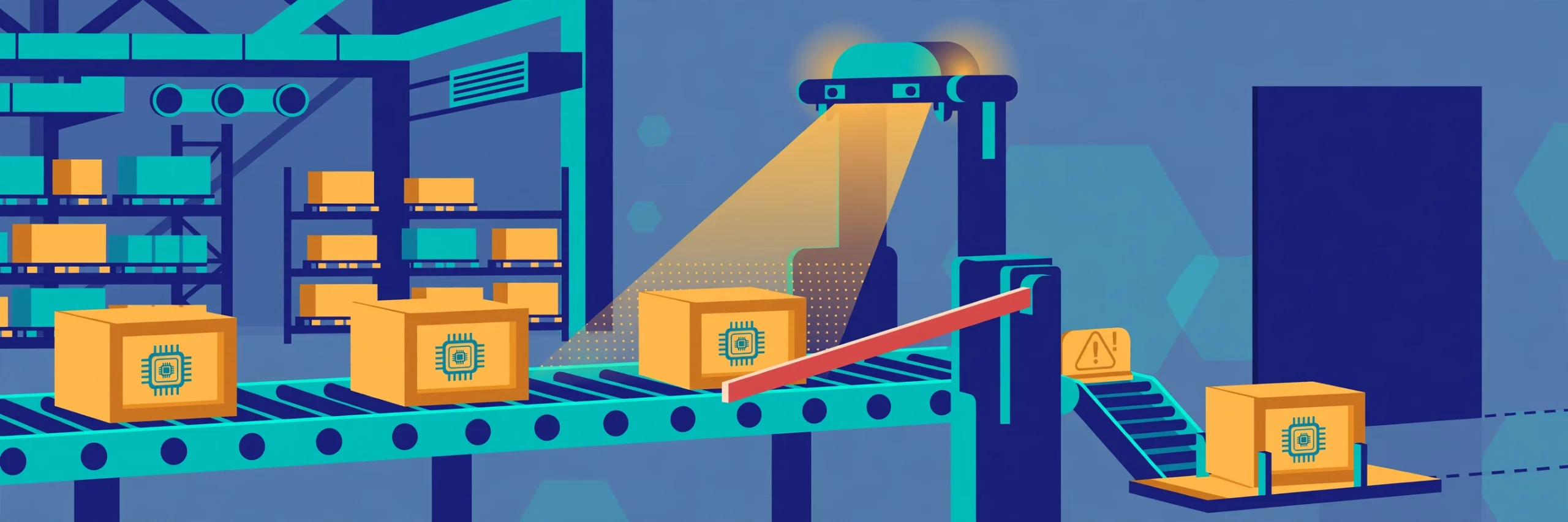
Nvidia placed Megaspeed on its internal sales blacklist in June 2025. The network kept moving chips.
Sit with that fact for a moment, because it is the most important one in this entire story. The control existed. The data existed. What did not exist was the reconciliation between the control and the shipments, and so the control documented the problem instead of stopping it.
Nvidia’s board has now created a National Security and Export Control Oversight Committee and promised outside experts. That is governance, and governance matters. But a committee does not screen an order at 2 a.m. when a distributor is trying to make a quarter. The operating fix lives lower in the building, in the distribution chain itself. From my seat, it looks like this:
Screen at quote, at order, and at ship, not once at onboarding, and screen the aliases and owners, not just the legal name on the purchase order. Verify end use in proportion to risk, with site confirmation for the customers whose volumes do not match their visible operations. Give distributor agreements audit rights with consequences, and use them. And reconcile, continuously, what the sales system says was sold against what the logistics system says actually moved, to whom, and where it was installed.
I wrote recently that your MRP is only as honest as your data. Export compliance is the same law in a different uniform. If your restricted-party data, your order data, and your shipment data are never reconciled, your compliance program exists in the policy binder, and the binder has never stopped a shipment either.
Final question in this series, for the leaders reading: what is the one control in your operation that exists in the system but nobody checks against reality, and what would it take to make that control stop the shipment instead of documenting it?
Follow me for more at the intersection of supply chain operations, risk, and intelligence. Comment with your control, and if you would like to start the conversation with your leadership team, this is the question I would put on the table.